Hot Searches: Color Doppler Ultrasound Probe Puncture Rack

Latest Products

Operation and Clinical Application of Ultrasound Probes - Conventional Probes
Release time:
2025-03-12 09:39
1 Single crystal convex array transducer
Uses a single-crystal transducer material. The transducer face is convex, with a small contact area, resulting in a fan-shaped imaging field of view. It has a wide range of applications, commonly used for relatively deep organs such as the abdomen, obstetrics and gynecology, and lungs.
Ultrasound images are the product of the close integration of the transducer and the system platform. Therefore, on the same machine, both the software and hardware must meet the requirements of the single-crystal transducer.
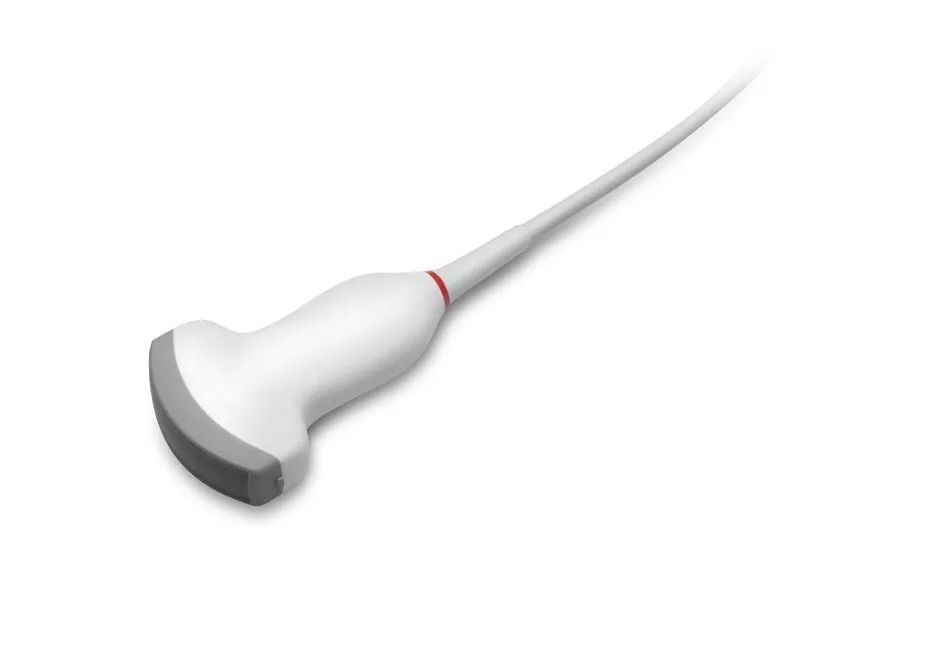

Liver cancer
2 Phased array transducer
The transducer face is flat, with a small contact area, a minimal near-field field of view, and a large far-field field of view. The imaging field of view is fan-shaped and suitable for the heart.
Cardiac transducers are usually classified into adult, pediatric, and neonatal categories based on the target population: (1) Adult hearts are located deepest and have the slowest beating speed; (2) Neonatal hearts are located relatively shallow and have the fastest beating speed; (3) Children's hearts fall between neonates and adults.
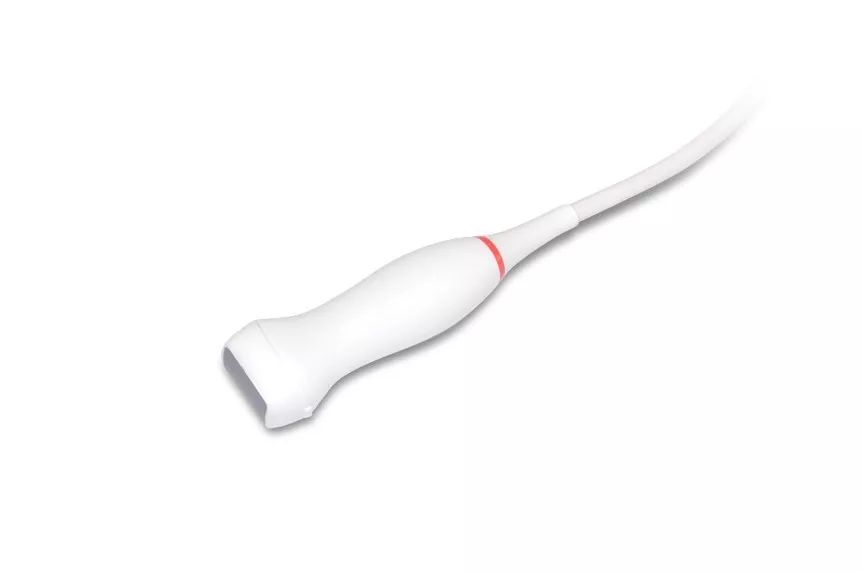

Hypertrophic cardiomyopathy - Apical four-chamber view
3 Linear array transducer
The transducer face is flat, with a large contact area. The imaging field of view is rectangular, with high imaging resolution and relatively low penetration. It is suitable for examinations of superficial blood vessels, small organs, and musculoskeletal structures.
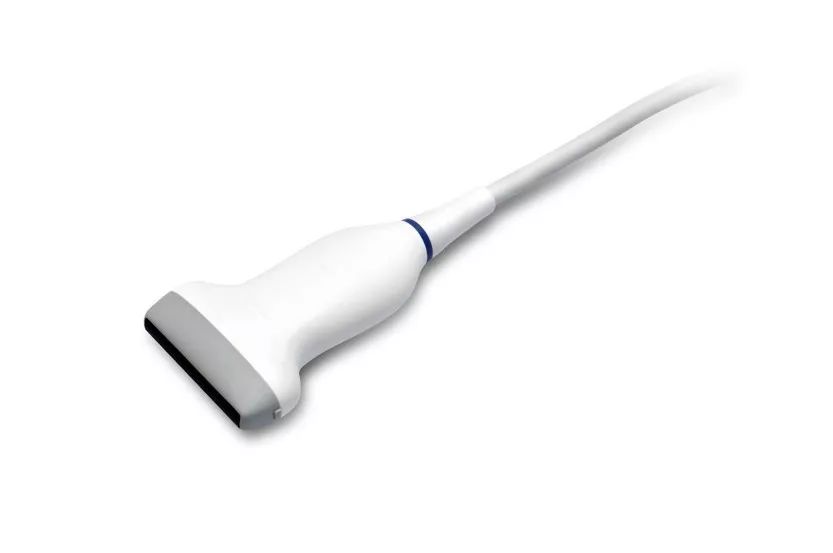

Thyroid nodule
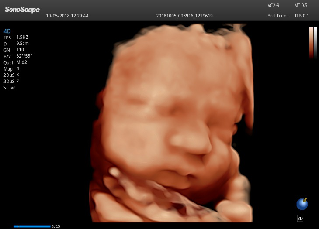
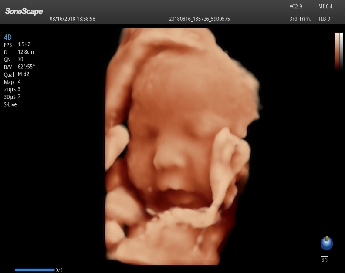
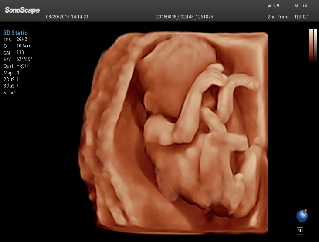
4 Volumetric transducer
VolumetricA volumetric transducer acquires continuous spatial distribution positions based on two-dimensional images, and then uses a computer reconstruction algorithm to obtain the complete spatial form.
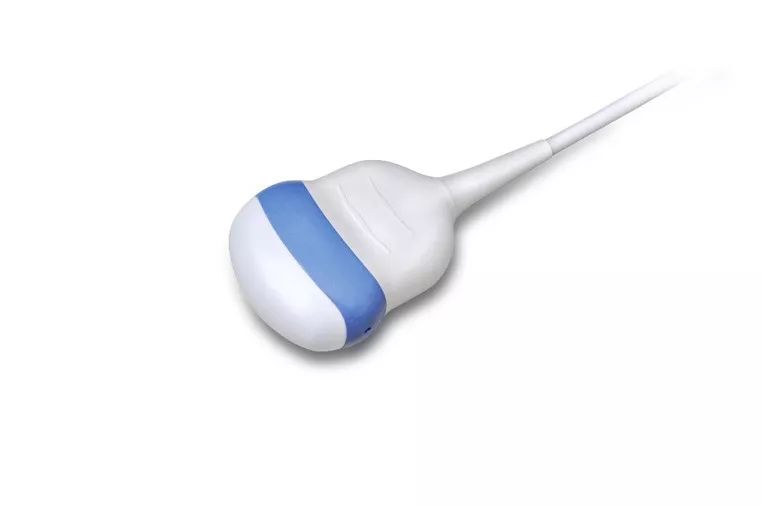
Suitable for: fetal face, spine, and limbs.
Advantages: fast acquisition, continuous and uniform scanning, anatomical structure displayed as volumetric data, accurate volumetric measurement.
5 Intracavitary transducer
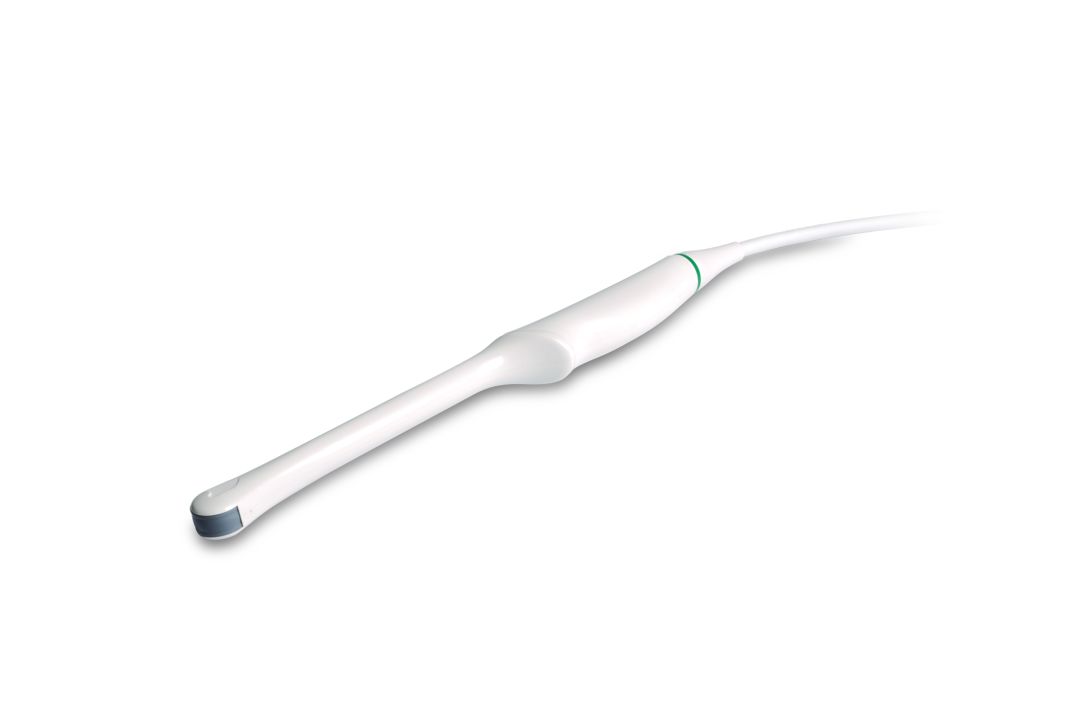
Intracavitary transducers have high frequency and high image resolution. They do not require bladder filling, and the transducer is close to the examination area, placing the pelvic organs in the near-field region of the acoustic beam, resulting in clearer images.

This information is sourced from the internet. Please contact us for removal if there is any infringement.
Previous Page
Next Page
Previous Page
Next Page
Contact Us
Room 618, 36 Gaoke Road, Tianhe District, Guangzhou, China
national unified free service hotline:400-020-6788


Copyright©2025 All Rights Reserved of Rencheng (Guangzhou) Medical Equipment Maintenance Co., Ltd.