Hot Searches: Color Doppler Ultrasound Probe Puncture Rack

scroll down
Latest Products

Analysis of the Current Status of the Traditional Chinese Medicine Diagnostic and Therapeutic Equipment Industry in China
Release time:
2025-03-12 09:41
Currently, many TCM practitioners are still in the "three-finger" and "one-pulse pillow" stage in terms of TCM diagnosis. Most medical institutions lack the introduction and application of new and large-scale TCM diagnostic equipment. In China's current medical device standards, there are only 8 items corresponding to TCM, and the level is relatively low; the lack of standards greatly restricts the industry's development and makes government supervision difficult to reference. The author believes that China will need to overcome at least "three mountains" in the future, including increasing the industrial base of TCM instruments, unifying industry consensus on the TCM instrument system, and gradually improving the TCM instrument standardization system.
Overview of TCM Instrument Development in China
The "Guiding Opinions on the Development Strategy of Traditional Chinese Medicine (2016-2030)" issued has listed "promoting innovation in traditional Chinese medicine" as one of the key tasks, and clearly proposed "the comprehensive use of modern scientific and technological means to develop a batch of diagnostic instruments and equipment based on the theory of traditional Chinese medicine".
Table 1 Traditional Chinese MedicineMedical DevicesClassification Table

Data shows that from 2014 to 2019, NMPA approved a total of 546 TCM instruments, of which Jiangsu Province accounted for 30% and Henan Province accounted for 10%. Jiangsu Province has 163 registered products on the market, with TCM instruments accounting for the most, such as acupuncture needles and embedding needles; TCM treatment equipment is mainly concentrated in fumigation treatment equipment.
Figure 1 Registration of Domestic TCM Instruments from 2014-2019 (Unit: Items)
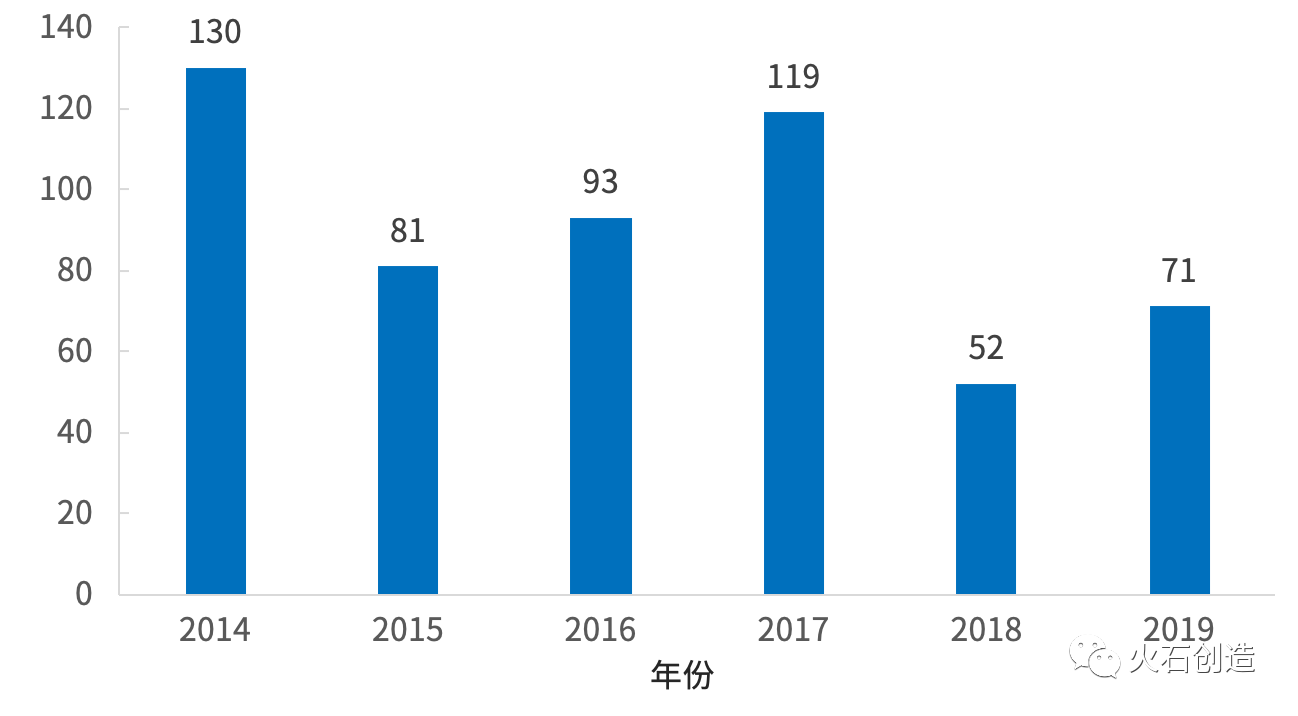
Data source: NMPA, Huoshi Creation
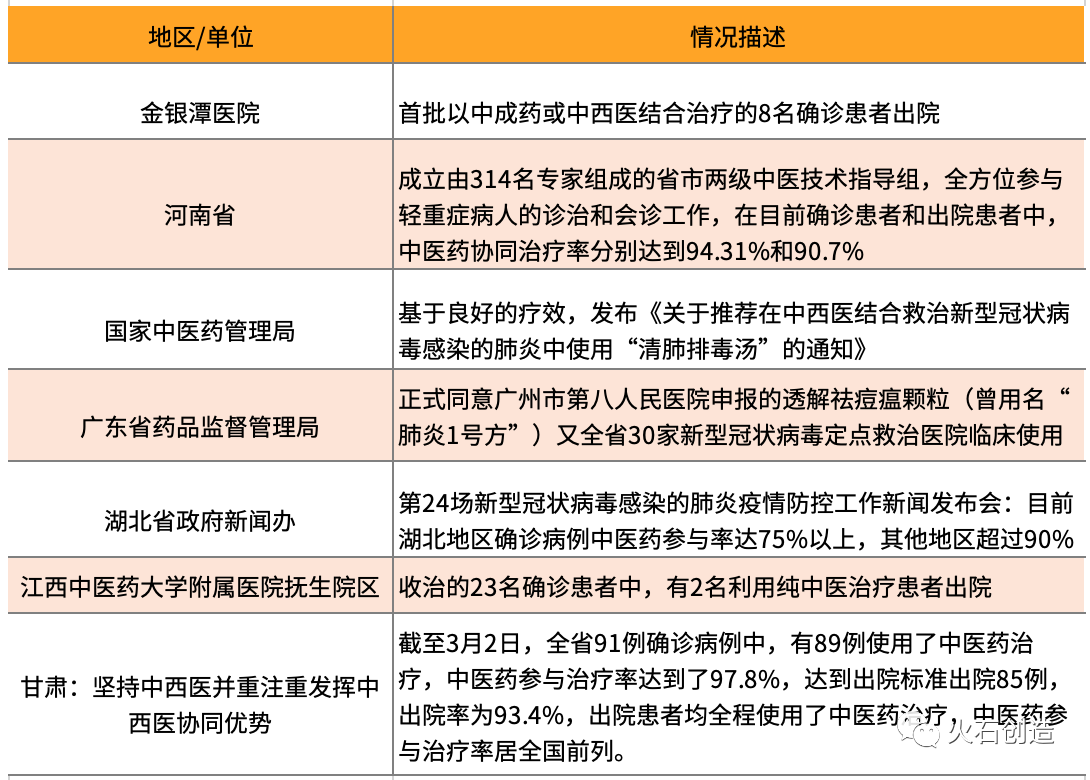
In the recent treatment of the novel coronavirus, the therapeutic effect of traditional Chinese medicine has been significant, which has also provided more favorable evidence for the development and recognition of the TCM industry.
Table 2 Overview of the Effectiveness of Traditional Chinese Medicine in China's Epidemic Prevention and Control
Two Major Obstacles to the Development of the TCM Instrument Industry
1. Low Willingness to Use TCM Diagnostic Instruments
Currently, many TCM practitioners are still in the "three-finger" and "one-pulse pillow" stage in terms of TCM diagnosis and prefer to use traditional contact diagnostic methods, showing a low willingness to adopt TCM diagnostic equipment. In practice, most medical institutions only have basic instruments and a few small diagnostic equipment for large-scale medical institutions, lacking the introduction and application of new and large-scale TCM diagnostic equipment.
2.Low Standardization Level of the TCM Medical Device Industry
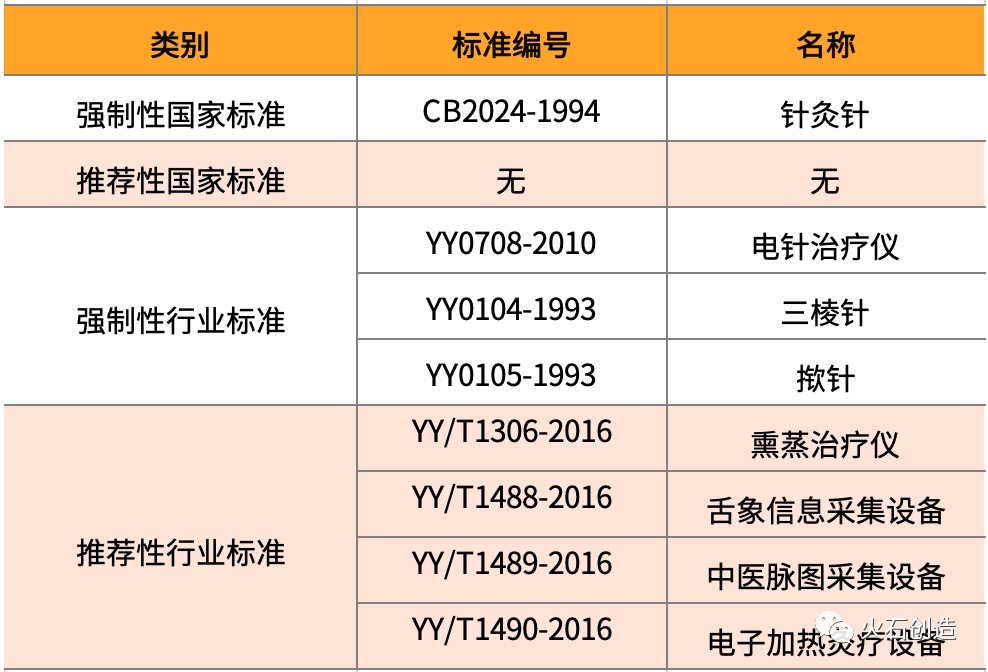
Among China's more than 1,500 current medical device standards, only 8 correspond to TCM, and the level is relatively low. Among the 24 medical device standardization technical committees in China, none have designated a counterpart organization for TCM instrument standards. The lack of standards greatly restricts the development of the industry and makes government supervision difficult to reference. In terms of guiding principles, NMPA has implemented a total of 353 registration guiding principles, but there are no guiding principles specifically for TCM instruments, resulting in a low degree of standardization of TCM medical devices.
Table 3 Current TCM Instrument Standards in China
Suggestions and Outlook for the Development of the TCM Instrument Industry
Increase the industrial base of TCM instruments. The 13th Five-Year Plan and other plans have already identified TCM medical instruments as a major direction for product research and development. Corresponding industrial policies should be formulated to support relevant enterprises in terms of R&D funding, financing, and taxation. The government can encourage the production of related low-risk TCM equipment and enhance the enthusiasm of enterprises through promotion, exhibitions, and the establishment of industry associations.ExhibitionsIn addition, China's laws and regulations such as the "Catalogue of Industries Guiding Foreign Investment" do not restrict or prohibit foreign institutions and enterprises from conducting research on TCM theories and developing related equipment. Foreign large-scale medical device groups can be allowed to participate in R&D projects for TCM diagnostic instruments, helping domestic enterprises introduce advanced technologies and design and manufacturing concepts to achieve rapid improvement in industrial technology levels.
On the other hand, policies related to TCM instruments should be increased in the production, education, and research sectors. In government science and technology projects, enterprises and medical institutions, and TCM universities should be encouraged to lead the product R&D of TCM instruments, and policy support should be provided in terms of patent applications, R&D subsidies, and personnel rewards. At the same time, a talent cultivation plan for TCM instruments should be formulated to promote the cross-cultivation and technical exchange of talents in three aspects: TCM theory and clinical practice, medical equipment R&D and manufacturing, and medical device standard development among front-line personnel in enterprises and medical institutions, thus forming a reserve of industry technical talents.
There is an urgent need to unify the industry consensus on the TCM instrument system. The academic viewpoints and clinical experiences of different TCM schools vary, resulting in many differences in disease identification and treatment among TCM practitioners across different regions. Therefore,Traditional Chinese MedicineThe competent authorities of traditional Chinese medicine should actively organize industry seminars to clarify the objective expressions of different TCM schools oninstruments and equipmentunify relevant terms, measurement standards, and diagnostic standards. This will enable the TCM instrument system to make tool-based, visual judgments, facilitating the use and promotion of TCM instruments.
Gradually improve the domestic TCM instrument standardization system. It is necessary for the drug regulatory authorities to jointly establish a TCM instrument product standard system framework and institutions with the TCM authorities, formulate work processes, and unify the planning and revision of the TCM instrument product catalog. For product standards, it is suggested to start with the R&D, production quality system, and physical performance evaluation of products with a weaker relationship with TCM theory, and formulate general standards for the same category. This will help to achieve full coverage of industry and national standards as soon as possible. For the access of TCM instruments, relevant general registration guiding principles should be formulated to make product listing more convenient and efficient. Secondly, the standards of traditional TCM instruments with a mature theoretical system should be supplemented and improved, such as cupping instruments and moxibustion instruments.enterprisesOn this basis, they can develop derivative equipment such as electric cupping and temperature-controlled moxibustion, and conduct effectiveness evaluations and industry promotion.
Traditional Chinese Medicine, Traditional Chinese Medicine instruments
Next Page
Contact Us
Room 618, 36 Gaoke Road, Tianhe District, Guangzhou, China
national unified free service hotline:400-020-6788


Copyright©2025 All Rights Reserved of Rencheng (Guangzhou) Medical Equipment Maintenance Co., Ltd.