Hot Searches: Color Doppler Ultrasound Probe Puncture Rack

Latest Products

Medical imaging AI is a powerful weapon to address industry pain points
Release time:
2025-03-12 09:39
Medical imaging AI-assisted diagnostic products primarily utilize computer vision technology for rapid film reading and intelligent diagnosis of medical images. Their rise is mainly to address two major pain points in the healthcare industry:
(1) Imbalance between medical supply and demand;
(2) Uneven levels of imaging physicians and uneven resource distribution.

For payment methods (medical insurance), medical imaging AI-assisted diagnosis can reduce misdiagnosis rates, guide doctors to provide more accurate and effective treatment plans, and promote the true implementation of tiered medical treatment by improving the diagnostic capabilities of primary care physicians. This two-pronged approach reduces waste of medical resources and rationally allocates scarce medical resources. For medical institutions, medical imaging AI-assisted diagnosis can improve efficiency, saving manpower and reducing unnecessary consumption, improving the quality of medical services, the accuracy of disease diagnosis, and reducing the risk of misdiagnosis. For doctors, China's medical imaging data is growing at an annual rate of 30%, while the annual growth rate of imaging physicians is only 4%, far from meeting market demand, with some doctors working overtime. Medical imaging AI can quickly locate lesions from hundreds of images, reduce film reading time, improve work efficiency, and reduce misdiagnosis rates. For patients, medical imaging AI helps patients obtain a better medical experience, more accurate diagnostic results, and more suitable treatment plans, saving medical expenses and time.

The contradiction between the rapid growth in the number of image readings and the insufficient number of imaging physicians
Medical imaging AI film reading has the advantages of efficiency and accuracy. Manual film reading is usually highly subjective, low in repeatability, time-consuming in quantification and information utilization, and has problems such as labor intensity and knowledge and experience. Medical imaging AI film reading, however, can achieve high efficiency and low cost, and as products become more mature, accuracy is also expected to show advantages, which can greatly assist medical needs and alleviate and solve pain points for all parties.

Comparison of manual film reading and medical imaging AI film reading
Innovation in medical imaging AI products is expected to solve fundamental problems in the healthcare industry, meeting the interests of payers, service providers, and patients. All parties are eagerly anticipating this, and with the continuous maturity of the technology, implementation should be an inevitable trend.
Medical imaging AI is the broadest application scenario for artificial intelligence combined with the medical field.
Artificial intelligence methods are widely used in medical image processing, involving multiple fields such as medical image segmentation, image registration, image fusion, image compression, and image reconstruction.
From the perspective of medical imaging application fields, it can be divided into radiology, radiotherapy, surgery, and pathology:
Radiology: Similar to the "intelligence department" of the military, it uses ray imaging to understand the pathological conditions inside the human body, forming images. The purpose of intelligent identification of this image is to mark the location of lesions.
Radiotherapy: Similar to the "combat department" of the military, before formulating a radiotherapy plan, doctors need to use imaging equipment to locate the target area, thus forming an image. The purpose of intelligent identification of this image is to automatically delineate the target area. Since radiotherapy needs to kill cells, the more accurately the lesion area is delineated, the better, and the accuracy requirement for intelligent image recognition is high.
Surgery: CT and other images are three-dimensionally reconstructed using 3D visualization technology to help doctors plan surgery and ensure surgical precision.
Pathology: Pathological diagnosis is the final confirmation stage, and the correctness of MRI, CT, and ultrasound image interpretation must refer to the results of pathological diagnosis. Traditional medical record testing is done by doctors directly reading medical record images under a microscope. Now, digital pathology systems make AI film reading possible.
From the perspective of application departments and data formats, it can be divided into radiology departments, endocrinology/ophthalmology departments, ultrasound departments, pathology departments, dermatology departments, cardiology departments, and electroencephalography rooms, etc. Industry development is more concentrated in radiology and ophthalmology departments, such as single diseases such as lung nodules, breast diseases, and diabetic retinopathy. Ultrasound department applications are less developed due to the real-time and dynamic nature of ultrasound, the high requirements for deep learning, the lack of high-quality dynamic ultrasound image data, and the requirement for real-time assistance in landing products.

Medical Artificial Intelligence Department Applications

Medical Imaging AI Applications by Body Part
Currently, medical imaging AI is mainly concentrated in radiology departments, with more research on CT and MRI, and single-disease development mainly focuses on lung nodules, breast cancer, breast diseases, and diabetic retinopathy.
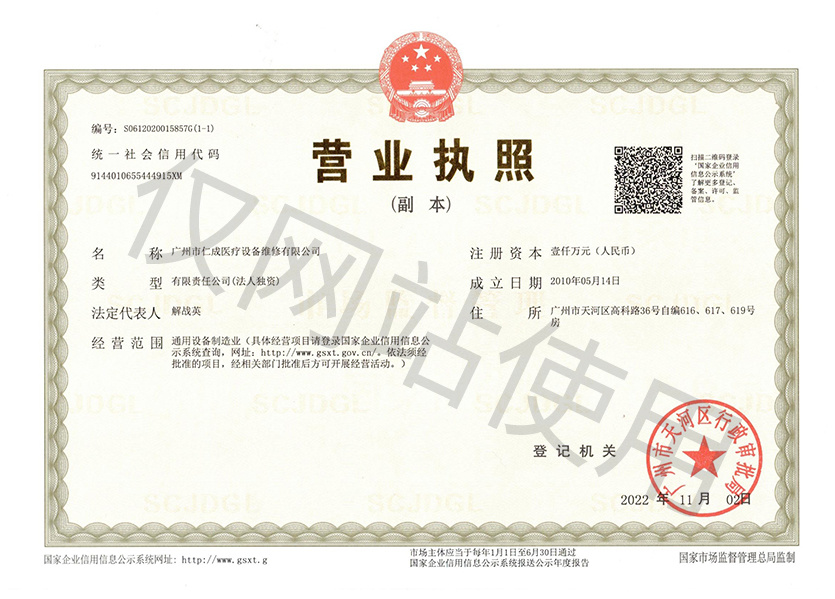
Everything is intelligent now. For the convenience of medical imaging case communication, the transmission of information images is indispensable to enhance communication, share examination results data, and facilitate the review of files during referrals. The image workstation perfectly compensates for this deficiency. It facilitates hospitals, doctors, and patients, allowing for quick query of examination results, convenient film reading, file viewing, saving, and archiving, and improving the functions of case query, statistics, and management. Guangzhou Rencheng Medical has stood out with more than ten years of experience in medical equipment maintenance, and through cooperation with hospitals, it clearly understands the various needs of doctors. The developed image workstation can serve hospitals, doctors, and patients well. Now Rencheng Image Workstation is sincerely recruiting national agents and distributors, and provides 24-hour After-sale Service. Welcome to contact us at any time.
This information belongs to Rencheng Medical. Please indicate the source when reprinting.
Contact Us
Room 618, 36 Gaoke Road, Tianhe District, Guangzhou, China
national unified free service hotline:400-020-6788


Copyright©2025 All Rights Reserved of Rencheng (Guangzhou) Medical Equipment Maintenance Co., Ltd.